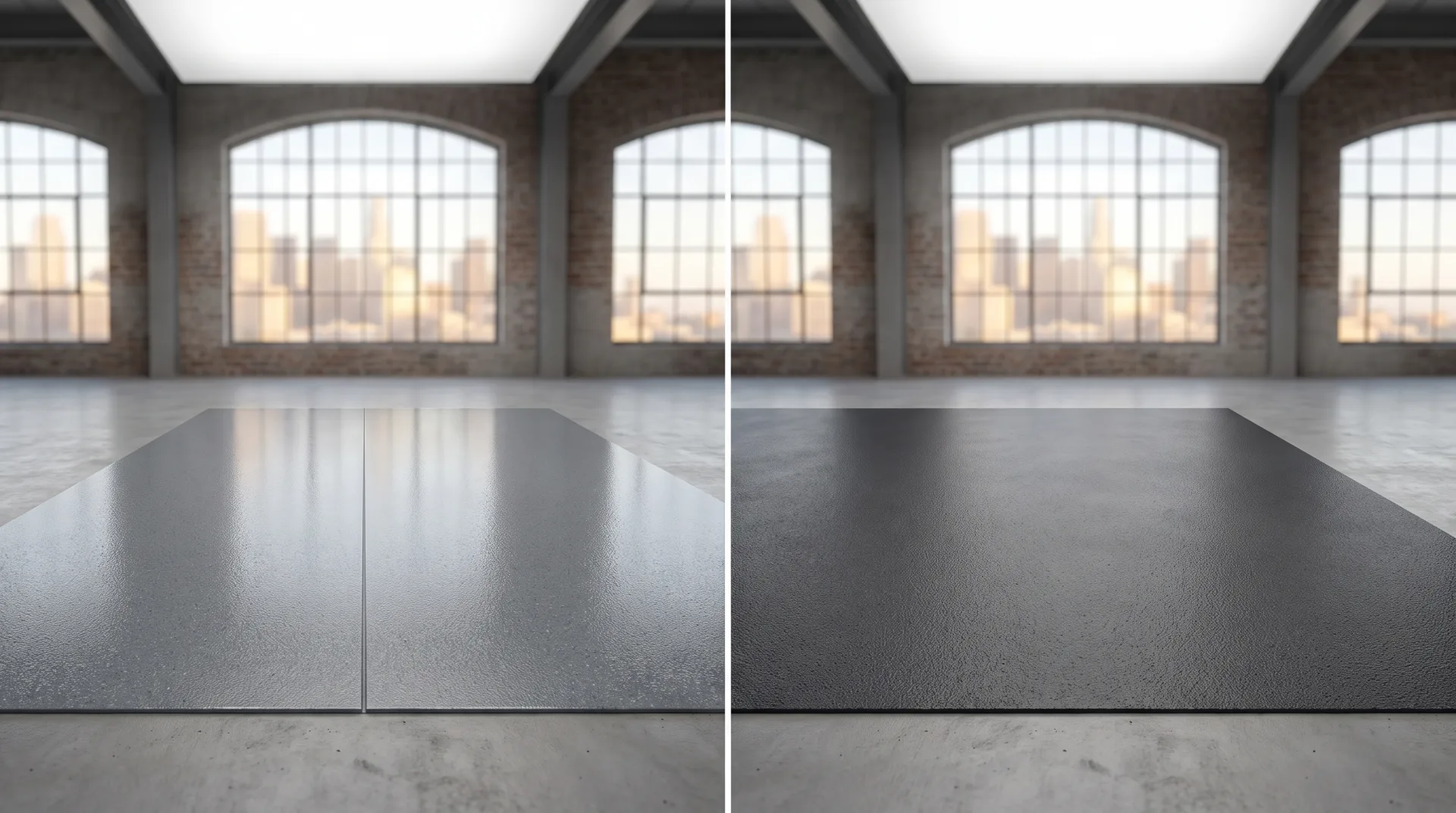
Polyaspartic and polyurea are both fast-curing coating chemistries, but they suit different San Antonio projects: polyaspartic offers an easier application process with excellent UV stability, well suited to garages and retail floors, while polyurea's near-instant cure and superior flexibility make it the go-to choice for demanding outdoor and exposed applications like parking structures and heavy industrial floors.
What Makes Each Chemistry Different
Both polyaspartic and polyurea belong to the broader polyurea family of coatings, but they cure through different reaction speeds and have different application requirements. Polyaspartic reacts more slowly than pure polyurea, giving installers a longer working window to achieve a smooth, even finish with standard rolling or squeegee application. Pure polyurea reacts almost instantly, which delivers extremely fast cure times but generally requires specialized plural-component spray equipment and a highly skilled applicator to achieve an even coating before the material sets.
Cure Time and Application Comparison
| Factor | Polyaspartic | Polyurea |
|---|---|---|
| Cure time (walkable) | 2-4 hours | Seconds to minutes |
| Application method | Roll/squeegee, standard tools | Plural-component spray |
| UV stability | Excellent | Good to excellent |
| Flexibility | Moderate | Excellent |
| Typical cost | Moderate | Higher (specialized equipment) |
Application skill matters more for polyurea: its instant cure leaves almost no working time to correct application errors, which is why polyurea installation is typically limited to contractors with specific spray equipment and training, while polyaspartic's more forgiving cure window suits a broader range of installers.
Chemical and UV Resistance
Both coatings offer strong chemical resistance suitable for most commercial and industrial applications, though the specific resistance profile varies by exact formulation within each category. UV stability is a strength for both, meaning neither yellows or degrades significantly under sustained sun exposure the way standard epoxy can - an important factor for San Antonio's intense summer sun exposure in outdoor or window-adjacent applications. Where polyurea pulls ahead is flexibility: its elastomeric properties let it bridge minor concrete cracks and absorb thermal expansion and contraction better than the more rigid polyaspartic, making it a stronger choice for exposed structures that experience significant temperature swings.
Best Use Cases for Each System
Polyaspartic tends to be the better fit for garage floors, retail spaces, and commercial interiors where a smooth, easily applied, UV-stable finish is the priority and the space doesn't face extreme structural movement or exposure. Polyurea is generally preferred for parking garages and structures, exterior walkways, and industrial floors with significant thermal cycling or vibration, where its flexibility and near-instant cure provide a meaningful durability advantage despite the higher application complexity and cost. Our polyaspartic floor coating service page covers the systems we install for San Antonio garages and commercial interiors specifically.
Not Sure Which System Fits Your Project?
We'll assess your space's specific demands and recommend polyaspartic, polyurea, or a hybrid system.
Request a Free QuoteHybrid Systems: Getting the Best of Both
Many professional installations don't choose exclusively one or the other - a hybrid system using a polyurea base coat for its flexibility and rapid cure, topped with a polyaspartic finish coat for its UV stability and ease of final application, is increasingly common in demanding commercial and industrial projects. This approach lets a facility benefit from polyurea's structural performance where it matters most (the base layer bonded to the concrete) while still getting polyaspartic's practical application advantages for the visible topcoat layer. Our comparison guide on polyurea vs. polyaspartic coating in San Antonio covers this hybrid approach and additional technical distinctions in more depth.
Cost Considerations Between the Two Systems
Polyurea's specialized spray equipment and applicator skill requirements generally translate into a higher cost than polyaspartic for a comparable project scope, though the exact difference depends heavily on project size, system thickness, and regional contractor availability for polyurea-specific work. For projects where polyaspartic's performance profile is sufficient - most residential and light commercial applications - the lower cost and broader installer availability often make it the more practical and cost-effective choice. For projects with genuine structural flexibility or extreme cure-time requirements, polyurea's added cost is typically justified by the specific performance it delivers that polyaspartic alone cannot match. Our related guide on polyaspartic vs. epoxy cure time for San Antonio businesses provides additional cost and timeline context relevant to weighing these fast-cure options against traditional epoxy as well.
Making the Right Choice for Your Project
Choosing between polyaspartic, polyurea, and a hybrid approach ultimately comes down to matching the coating's specific properties to your project's actual demands rather than defaulting to whichever system a particular contractor happens to specialize in. A straightforward garage or retail floor project rarely needs polyurea's structural flexibility, while a parking structure with significant thermal cycling and vibration genuinely benefits from it. Getting quotes from contractors experienced with both systems, and asking them to explain why they're recommending a particular system for your specific space, helps ensure the recommendation is driven by your project's needs rather than the installer's available equipment and expertise.
Odor and VOC Considerations
Both polyaspartic and polyurea generally produce less odor during application than traditional solvent-based epoxy, making them more suitable for occupied buildings or spaces with limited ventilation options. Polyaspartic's slightly longer working window means the material is exposed to air for a somewhat longer period during application compared to polyurea's near-instant reaction, though in practice both systems are considered low-odor, low-VOC options relative to older-generation coating chemistries. For businesses concerned about disruption to daily operations during installation - a retail store, an occupied office building - either system's relatively mild odor profile compares favorably to a traditional multi-day epoxy install with its associated curing fumes over an extended period.
Durability and Long-Term Performance Under Real-World Conditions
Both systems deliver strong long-term durability when properly installed, but their failure modes differ somewhat based on how each is stressed over time. Polyaspartic, being more rigid, can develop hairline cracking if applied over a substrate with ongoing movement or settling, since it has less capacity to flex with the concrete beneath it. Polyurea's greater flexibility makes it more resistant to this specific failure mode, better able to move with minor concrete shifts without cracking the coating itself. This is part of why polyurea is often specified for structures like parking garages, where the concrete deck naturally experiences more movement from vehicle loads and thermal expansion than a typical interior slab. For a stable interior slab with minimal movement, polyaspartic's rigidity is rarely a practical downside, and its other advantages - easier application, broader installer availability, lower cost - often make it the more sensible choice.
Finding a Contractor Experienced With Your Chosen System
Because polyurea installation requires specialized spray equipment and specific applicator training, fewer contractors offer it compared to the broader pool capable of installing polyaspartic with standard tools. When a project calls for polyurea's specific performance benefits, confirming a contractor's actual hands-on experience with polyurea spray application - not just familiarity with the general polyurea/polyaspartic category - matters more than it might for a simpler polyaspartic project. Asking to see examples of completed polyurea projects, particularly ones with similar exposure conditions to your own (an outdoor deck, a parking structure), helps verify a contractor's specific experience rather than relying on a general flooring background alone. For polyaspartic projects, the broader installer pool means more competition and typically more straightforward quote comparison, though verifying general surface prep quality and system specification remains just as important regardless of which coating chemistry is chosen.
Weather Considerations for San Antonio Installations
San Antonio's climate factors into scheduling for both systems, though in different ways. Polyaspartic can be sensitive to ambient temperature and humidity during application, with very hot or humid conditions sometimes accelerating cure faster than ideal for a smooth finish, which is why many installers prefer early morning or cooler-weather scheduling during peak summer months. Polyurea's near-instant cure is less affected by ambient conditions in this specific way, though outdoor spray application still requires reasonable weather - avoiding active rain or extreme wind that could affect spray pattern consistency. Discussing seasonal timing with your installer, particularly for a summer project, helps avoid weather-related complications regardless of which system is chosen.